Spot Foundation Issues Early
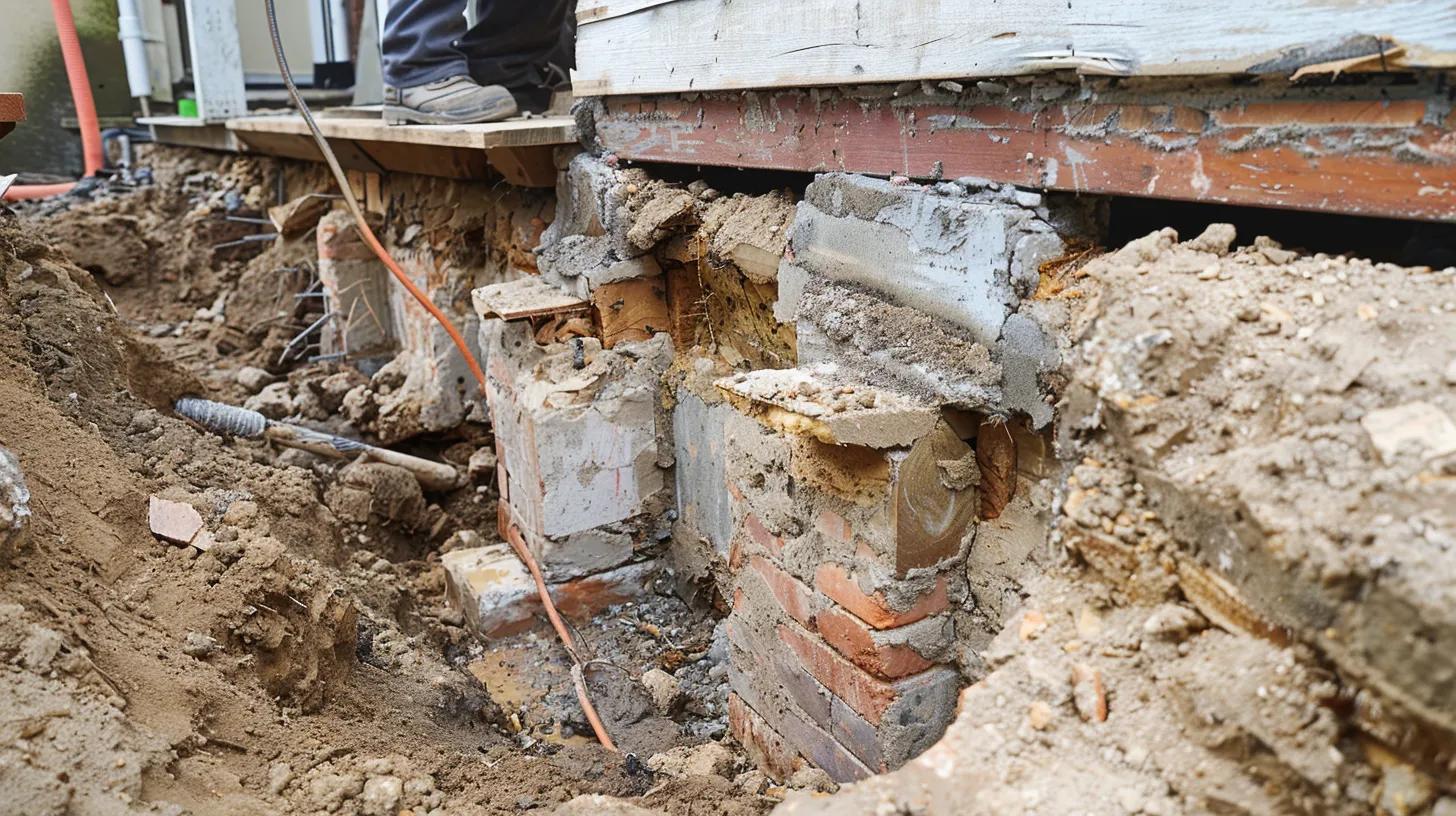
A compromised foundation is the beginning of many costly, safety-critical problems in a home; foundation issues are structural problems that alter load paths, create movement in walls and floors, and increase risk to occupants and property value. This article teaches homeowners how to identify the most common signs of foundation problems, explains why each symptom matters, and shows practical steps to document and monitor changes before they escalate. You will learn to distinguish cosmetic hairline cracks from structural horizontal cracks, measure and interpret uneven floors, spot moisture-driven movement in crawl spaces and basements, and recognize urgent shifts such as bowing walls or chimney separation. Early detection reduces repair complexity and long-term cost by enabling targeted fixes like drainage correction or pier installation. If you prefer expert confirmation, Southern Structural Solutions, a local, family-owned structural repair company serving Greenbrier, Little Rock, and surrounding areas, offers a Free Assessment and onsite quote to help prioritize solutions. The next sections walk through symptoms, crack classification, water roles, major shifts, consequences, and clear next steps including what a Free Assessment includes.
What Are the Most Common Foundation Problem Symptoms Homeowners Should Watch For?
Foundation problems typically manifest as visual faults and functional changes in the home’s structure; they signal differential movement, soil-driven stresses, or moisture-induced deterioration that can worsen over time. Recognizing these symptoms early lets homeowners document progression, apply short-term containment, and decide when to escalate to a professional inspection. The most frequent indicators include various crack patterns, uneven or sloping floors, sticking doors and windows, moisture in crawl spaces or basements, and bowing or bulging basement walls. These observable symptoms reflect specific mechanisms—settlement, expansive clay heave, hydrostatic pressure, or poor exterior drainage—so matching symptom to likely cause is the first diagnostic step. Below is a concise symptom checklist you can use during a home walkthrough to prioritize urgency and evidence to collect.
- Visible foundation cracks on exterior walls, interior walls, or slab floors.
- Uneven or sloping floors, doors/windows that stick, and gaps at trim or ceilings.
- Crawl space moisture, musty odors, or standing water under the house.
- Bowing basement walls, chimney separation, or widening stair-step cracks.
These quick checks give a snapshot of likely severity and guide what evidence to photograph and measure for a later professional assessment.
How to Recognize Different Types of Cracks in Foundation Walls
Crack patterns reveal both the location and likely cause of movement: the visual shape, orientation, and width give immediate severity clues and guide homeowner monitoring. Hairline cracks are thin and often due to shrinkage or minor settlement and may be monitored, while diagonal and stair-step cracks often point to differential settlement along block or brick mortar and suggest moderate movement. Horizontal cracks—especially in basement walls—typically indicate lateral soil pressure or hydrostatic loads and carry higher urgency because they can precede wall bowing or collapse. Take photos with a coin for scale, measure widths with a gauge or caliper if possible, and log progression over weeks; persistent widening or new adjacent cracks signals the need for a professional evaluation. Understanding crack types helps prioritize responses from monitoring to urgent intervention.
What Do Uneven Floors in Your House Indicate About Foundation Health?
Uneven or sloping floors indicate that the foundation or supporting substructure has shifted, settled, or lost bearing capacity, causing differential deflection across the floor system. Causes range from localized voids beneath slab-on-grade, failing piers under a pier-and-beam home, expansive clay uplift, or widespread settlement due to poor compaction at construction. Simple home tests—rolling a marble to detect slope, using a long level, and measuring gaps between floor and baseboard—help quantify the issue and document changes over time. If whole-room sagging or progressive change appears alongside cracks or sticking doors, the movement is likely structural rather than cosmetic and merits professional assessment. Early documentation and temporary load-management (avoid heavy localized loads) can reduce risk while arranging inspection.
How Can Bowing Basement Walls Signal Serious Structural Issues?
Bowing or bulging basement walls are signs of active lateral pressure from saturated or poorly drained soils and can indicate imminent structural failure if left unchecked. Lateral soil pressure increases with wet seasons and poor exterior drainage, forcing walls to crack, deform, and—over time—lose vertical load capacity that supports the floor above. Homeowners should look for inward curvature, vertical hairline cracks at bows, or separation at wall-to-floor joints as signs of progression. Because bowing represents active, outward-to-inward force, it typically requires prompt professional evaluation to assess stabilization methods and prevent collapse. While temporary shoring can reduce immediate risk, long-term solutions often combine wall reinforcement and drainage correction.
How Do Cracks in Foundation Walls Reveal Underlying Structural Damage?
Cracks are diagnostic indicators linking visible failure modes to underlying mechanisms like settlement, shrinkage, lateral soil pressure, or thermal movement; their orientation, location, and progression tell the story of what’s happening beneath the surface. Classifying cracks into hairline, diagonal, stair-step, and horizontal categories helps homeowners and inspectors prioritize urgency and probable causes. Monitoring crack width and mapping new cracks over time converts isolated observations into a pattern that distinguishes slow cosmetic changes from progressive structural movement. Below is a compact comparison table that helps interpret common crack types, their usual causes, and when immediate action is advised.
Interpreting crack patterns this way lets homeowners collect focused evidence and communicate effectively with inspectors; consistent widening or horizontal cracks should trigger immediate professional involvement to prevent escalation.
What Are Hairline, Diagonal, Stair-step, and Horizontal Cracks?
Each crack pattern carries a distinct structural implication: hairline cracks typically result from surface shrinkage and are low urgency, diagonal cracks across joints suggest differential settlement between sides of a foundation, stair-step cracks track through mortar joints and often indicate settling in masonry foundations, and horizontal cracks reflect lateral loads that can lead to wall failure. Visual cues like width greater than 1/8 inch, displacement, or correlation with doors sticking increase concern. Photograph and measure multiple locations and compare over time—progressive change is the key differentiator between cosmetic and structural problems. When in doubt, a professional inspection can confirm severity and recommend appropriate repair methods tied to the underlying cause.
When Are Wall Cracks a Sign of Foundation Settlement or Soil Movement?
Wall cracks indicate settlement or soil movement when they are diagonal, stair-step, accompanied by vertical misalignment, or show progressive widening over weeks to months; random, static hairline cracks without displacement usually point to non-structural causes. Settlement-related patterns often concentrate near corners, chimneys, or where loads change, and they can be linked to soil conditions like expansive clay or areas with inconsistent compaction. Homeowners should look for clustering of cracks, concurrent functional symptoms (sticking doors, uneven floors), and recent changes in landscape or drainage that could alter soil moisture. Timely documentation and measuring crack width at intervals transform anecdotal observations into the evidence professionals use to diagnose settlement versus superficial causes.
How Does Arkansas Clay Soil Contribute to Foundation Cracking?
Arkansas’s expansive clay soils absorb and release moisture seasonally, producing volume change that exerts upward heave or subsidence pressure on foundations, particularly where grading or drainage concentrates water near footings. The Porters Creek Clay of the Midway Group is highly expansive and outcrops in a narrow but continuous belt along the Fall Line from just south of Hope to near Arkadelphia and intermittently from Malvern to near Batesville. (geology.arkansas.gov) Clay’s shrink-swell behavior can produce diagonal and stair-step cracks as parts of a foundation settle at different rates, and poor site grading intensifies the problem by saturating soils near the footing. Understanding local soil behavior underscores the value of exterior drainage fixes and tailored stabilization methods for long-term prevention.
What Functional Problems Like Uneven Floors and Sticking Doors Indicate Foundation Issues?
Functional problems are the household effects of underlying structural movement: when the foundation changes shape, the framing and openings move too, producing sticky doors, window gaps, and trim separation that are visible and measurable. These mechanical symptoms often precede catastrophic failure because they reflect redistribution of loads, misaligned framing, and shifting connections between structural parts. Simple tests—checking door operation across seasons, measuring clearances, and noting changes after heavy rains—help determine if the issue is progressive. Documented functional symptoms provide inspectors with clues about the movement direction and affected house areas, which then guides diagnostic decisions like whether to probe crawl spaces or test slab elevation.
Why Do Floors Become Uneven or Sloping Due to Foundation Problems?
Uneven floors result from differential settlement, voids beneath slabs, pier failure under pier-and-beam systems, or heave from expansive soils; each mechanism alters the support geometry beneath floor framing. When one area loses support or the slab loses bearing, loads shift to adjacent members, producing sag or slope that becomes more pronounced over time. Homeowners can quantify changes using a long level, rolling objects to confirm slope, and measuring the gap between floor and door jambs; combined with crack mapping, these data reveal whether the movement is local or systemic. If the slope is associated with increasing cracks or a history of water problems, it’s prudent to schedule a professional assessment to diagnose root causes and avoid progressive damage.
How Do Sticking Doors and Windows Signal Foundation Shifts?
Sticking doors and windows occur when frames move out of square due to foundation settlement or lateral wall movement, which alters jamb alignments and changes clearance at latches and hinges. These misalignments can be seasonal or progressive; a door that sticks only after heavy rain suggests moisture-related soil movement, while a door that progressively worsens indicates ongoing foundation shift. Temporary adjustments—reaming or planing the frame—may restore operation but won’t fix the underlying movement; documenting the timing and pattern of sticking helps professionals determine whether repair or monitoring is appropriate. Including these details in a Free Assessment provides technicians with actionable information to target their inspection.
What Are Common Gaps Around Walls, Ceilings, and Trim That Indicate Foundation Movement?
Gaps at baseboards, separations between ceiling and wall, and widening joints around chimneys commonly reflect differential movement between foundation and superstructure; corners often show larger separations as forces concentrate there. These gaps can be measured with a tape measure and photographed to establish a baseline: progressive enlargement over time is a strong indicator of continued movement. While small, static gaps may be cosmetic, increasing or new gaps coupled with cracks or door problems point to structural issues that deserve evaluation. Regular monitoring of gap dimensions after weather events helps track activity and informs the urgency of professional intervention.
How Does Water and Moisture Affect Foundation Stability and Cause Visible Signs?
Water is often the principal driver of foundation movement, acting through mechanisms like soil saturation that increases lateral pressure, capillary rise that undermines footing soils, and freeze-thaw processes in colder climates that shift shallow soils. Moisture-related signs such as moldy crawl spaces, efflorescence on basement walls, standing water outside the foundation, and recurring basement leaks are visible symptoms that the moisture regime around the foundation is unhealthy. Addressing water sources—gutters, downspouts, grading, and broken drainage tiles—reduces soil movement and the forces that produce cracks and bowing. Short-term homeowner steps like extending downspouts and temporary dewatering can reduce immediate pressure, while long-term fixes often require professional drainage correction combined with targeted foundation repair.
What Are the Signs of Crawl Space Moisture and Mold Related to Foundation Problems?
Crawl space moisture presents as standing water, damp insulation, rusted metal supports, visible mold growth, and musty odors; relative humidity consistently above ~60% encourages mold and wood decay that threaten structural members. Elevated moisture undermines bearing soils and accelerates deterioration of wooden joists and piers, compounding foundation problems over time. Simple monitoring with a hygrometer and periodic visual inspections help detect rising humidity before structural effects become severe. When moisture issues are present alongside foundation cracking or settlement, combining moisture remediation—such as encapsulation and dehumidification—with foundation stabilization produces the most durable outcomes.
How Can Basement Leaks and Water Damage Indicate Foundation Issues?
Basement leaks that recur after heavy rain, track along foundation cracks, or appear as seeping through mortar joints often reflect broader drainage or hydrostatic problems tied to foundation performance rather than isolated plumbing failures. Patterns of seepage—vertical lines, damp spots near floor-wall joints, or localized pooling—point to where water finds paths through or around the foundation and where external grading may be concentrating flow. Short-term responses include redirecting surface water and using sandbags or temporary pumps, but persistent patterns signal the need for a professional assessment to test exterior drainage, soil saturation, and potential wall repairs. Documenting leak timing and conditions is essential information for diagnostic evaluation.
Why Is Exterior Drainage Critical to Preventing Foundation Damage?
Exterior drainage governs the moisture content of soils adjacent to foundations; poor grading, clogged gutters, and short downspouts keep water near footings, causing cyclical swelling and shrinkage in clay soils or continual saturation that increases lateral pressure. Effective drainage—positive grading away from the house, downspout extensions, and functioning gutters—reduces the cycles that drive heave and settlement and lowers hydrostatic loads on basement walls. Homeowners can implement low-cost measures like cleaning gutters and extending downspouts as preventive steps, while complex drainage problems may require professional regrading or installation of surface and subsurface drainage systems. Prioritizing drainage is one of the most cost-effective ways to reduce long-term foundation risk.
What Major Structural Shifts Should You Never Ignore in Your Home’s Foundation?
Major structural shifts—bowing basement walls, chimney separation, and progressive settlement—are high-risk events that often indicate significant changes to load-bearing conditions or soil support and can lead to rapid escalation of damage. These shifts differ from cosmetic symptoms because they directly affect structural stability and the distribution of loads through framing and foundations. Recognizing these events early allows homeowners to take immediate safety precautions, document evidence, and secure professional stabilization. Below are high-risk signs and recommended immediate actions to protect occupants and property while arranging evaluation and repair.
How to Identify Bowing Basement Walls and Their Risks
Active bowing shows inward curvature, visible bulges, or diagonal cracks at the bulge and is frequently accompanied by mortar cracking or floor-wall separation; these are signs of lateral loads exceeding the wall’s capacity. Measurement with a straightedge or a laser level can quantify inward movement, and any measurable inward shift over short periods signals urgent concern. Bowing walls threaten collapse and can compromise the floor system above, creating safety hazards and substantial repair costs if ignored. Immediate precautions include limiting load near affected walls and arranging a professional assessment to explore reinforcement options and drainage correction.
What Does Chimney Separation Reveal About Foundation Movement?
Chimney separation—visible gaps between the chimney and adjacent house structure or cracks at the chimney base—indicates localized differential settlement beneath the chimney footing or uneven movement between foundation sections. Because chimneys are heavy and often sit on isolated footings, even modest soil movement can create dangerous vertical or horizontal separation that affects both structural stability and fire safety. Monitoring gap progression, avoiding heavy loads near the chimney, and scheduling inspection are prudent steps. Professional diagnosis often includes checking footing support and determining whether underpinning or re-leveling is needed to restore safe bearing.
When Is Foundation Settlement a Serious Warning Sign?
Settlement becomes serious when it is progressive, accompanied by widening cracks, repeated sticking doors, new gaps at trim, or changes after weather events; these signs indicate that soil support is changing rather than stabilizing. Progressive settlement may result from ongoing erosion, poor compaction, underground water flow, or failing piers, and it reduces load-bearing capacity and alters structural geometry over time. Regular monitoring, documenting rates of change, and correlating movement with external events (heavy rain, drought) help determine whether intervention is necessary. When settlement shows measurable progression or affects primary structural elements, professional stabilization is required to prevent further damage.
Why Should Homeowners Never Ignore These Foundation Repair Warning Signs?
Ignoring warning signs risks escalating repair complexity, compromising structural safety, and reducing a home’s market value; early intervention preserves load paths, health conditions, and resale potential. Progressive foundation damage transfers loads to framing, creates safety thresholds where collapse risk increases, and encourages moisture intrusion that leads to mold and material decay. Insurance and financing are affected because visible or reported foundation issues raise red flags during inspections and appraisals, potentially narrowing buyer interest. For these reasons, acting early—documenting evidence and obtaining a professional Free Assessment—keeps options open and supports better long-term outcomes.
How Do Foundation Issues Impact Structural Integrity and Safety?
Foundation movement alters how loads travel through a house, potentially overstressing joists, beams, and bearing walls and leading to cracking, sagging, or failure in secondary systems that were not designed for the changed geometry. Progressive failure can escalate from cosmetic cracks to compromised support members and, in extreme cases, partial collapse or unsafe conditions that require immediate evacuation. Professional structural assessments identify compromised load paths, rate of movement, and the appropriate stabilization methods to restore safe load transfer. Addressing structural integrity early prevents cascading failures and reduces both repair costs and occupant risk.
What Are the Health Risks Associated with Foundation-Related Water Damage?
Foundation-related water damage creates elevated humidity, mold growth, and allergen proliferation that can exacerbate respiratory conditions, especially in children, the elderly, and immunocompromised occupants. Damp crawl spaces and basements provide breeding grounds for mold and pests, and they can increase indoor allergens and volatile organic compound concentrations that impair indoor air quality. Mitigation includes drying, dehumidification, and remediation to remove mold, combined with fixing the moisture source through drainage correction or foundation repair. Integrating moisture remediation with structural fixes ensures both health and longevity improvements for the home.
How Can Foundation Problems Affect Your Home’s Value?
Visible foundation problems lower marketability, trigger inspection red flags, and can reduce appraisal values because buyers and lenders view them as significant deferred maintenance or risk. Unrepaired structural issues may scare off buyers or lead to price concessions, while documented repairs with warranties and professional reports can restore confidence and preserve value. Investing in timely diagnosis, repairs, and clear documentation—photos, written reports, and warranties—helps demonstrate that the problem was addressed professionally, thereby mitigating resale impacts. Proactive repair and transparent documentation often recover more of the home’s value than neglecting visible structural issues.
What Are the Next Steps After Spotting Foundation Issues? How Can a Free Assessment Help?
After spotting foundation symptoms, the immediate homeowner protocol is to document conditions, apply temporary containment where safety or water intrusion is present, monitor progression systematically, and schedule a professional assessment to diagnose root causes and provide repair options. A Free Assessment from a trusted provider offers inspection, measurement, moisture and drainage review, photographic documentation, and a written summary with an onsite quote—this consolidates evidence and provides a prioritized repair plan. Prioritize safety, avoid heavy loads near affected areas, and prepare photographic and written notes to share during the assessment to speed diagnosis. Below are stepwise homeowner actions to take while arranging professional evaluation.
- Document: Photograph cracks, gaps, and affected rooms with scale and timestamps.
- Contain: Temporarily manage water sources and avoid heavy loads near affected areas.
- Monitor: Measure crack widths and door alignment weekly to detect progression.
- Schedule Assessment: Arrange a professional Free Assessment to diagnose causes and receive an onsite quote.
What Does a Professional Foundation Repair Free Assessment Include?
A quality Free Assessment combines a visual structural inspection, measured documentation of cracks and elevations, a moisture and drainage review, and photographic records that together reveal movement patterns and likely causes. The inspector will evaluate interior signs, examine crawl spaces and basements, check exterior grading and gutter performance, and note soil conditions to inform recommendations. Homeowners receive a written summary with photographs and an onsite quote outlining repair options and timelines so they can make an informed decision. The table below outlines typical assessment components and expected homeowner outcomes.
When Should You Call Southern Structural Solutions for Foundation Repair?
Call Southern Structural Solutions when signs indicate active or progressive movement—widening horizontal cracks, measurable bowing, fast-growing diagonal or stair-step cracks, significant uneven floors, or chronic water intrusion that persists after basic drainage fixes. As a local, family-owned, faith-based company serving Greenbrier, Little Rock, and nearby communities, Southern Structural Solutions focuses on diagnosing root causes and offering durable repairs; their Free Assessment and onsite quote help homeowners understand options without initial cost. If safety is a concern or you observe rapid change, prioritize scheduling an assessment promptly to limit escalation and preserve home value. Including your documented photos and measurements when arranging the assessment helps technicians diagnose issues more efficiently.
What Foundation Repair Methods Are Available for Different Problems?
Repair approaches match the diagnosed cause: hydraulic piers transfer load to deeper competent soils for settling foundations, slabjacking fills voids beneath slabs to raise and re-level concrete, and underpinning or wall reinforcement stabilizes bowing or failing wall segments. Choice depends on factors such as soil type, extent of movement, access constraints, and budget; each method balances effectiveness, disruption, and longevity. The table below compares common methods to typical scenarios to guide homeowner expectations and conversations during assessments.
How Do Hydraulic Piers, Slabjacking, and Underpinning Work?
Hydraulic piers are installed by driving or drilling steel piers to bearing strata and hydraulically lifting the structure onto the piers to re-establish load transfer; this stabilizes and can sometimes raise settled foundations. Slabjacking involves pumping a grout or polymer injection beneath a concrete slab to fill voids and lift settled sections, offering a minimally invasive fix for localized slab settlement. Underpinning and wall reinforcement methods strengthen footings and walls—often using concrete, steel, or micropile systems—to resist load redistribution and lateral soil pressure. Each method varies in disruption, timeline, and cost drivers, and a professional assessment determines the appropriate match to the observed failure mechanisms.
How Can Preventative Measures Help Avoid Future Foundation Issues?
Preventative actions focus on managing moisture, vegetation, and maintenance to reduce soil movement and load anomalies; these low-cost steps significantly lower long-term repair risk when applied consistently. Key measures include maintaining positive grading away from the foundation, extending downspouts, keeping gutters clean, managing landscaping and large trees at safe distances, and inspecting crawl spaces and basements seasonally for moisture. Routine monitoring—photographs, crack measurements, and humidity readings—lets homeowners detect changes early and decide when to call professionals for drainage or stabilization work. Prioritizing prevention translates to smaller, less disruptive repairs over time and preserves structural integrity and home value.
- Maintain gutters and extend downspouts to direct water at least several feet from the foundation.
- Regrade soil slopes away from the house and avoid water-collecting hardscape near footings.
- Control vegetation and remove trees whose roots concentrate moisture near foundations.
- Inspect crawl spaces and basements seasonally and use dehumidification where needed.
Frequently Asked Questions
What are the long-term consequences of ignoring foundation issues?
Ignoring foundation issues can lead to severe structural damage, increased repair costs, and potential safety hazards. As foundation problems worsen, they can cause significant shifts in the home’s structure, leading to cracks in walls, uneven floors, and even partial collapse. Additionally, unresolved issues can affect the home’s market value, making it harder to sell or refinance. Homeowners may also face higher insurance premiums or difficulty obtaining coverage if foundation problems are present. Early intervention is crucial to mitigate these risks and preserve the integrity of the home.
How can I prevent foundation problems in my home?
Preventing foundation problems involves proactive measures to manage moisture and maintain soil stability around your home. Key strategies include ensuring proper drainage away from the foundation, maintaining clean gutters, and extending downspouts to direct water several feet from the house. Regularly inspecting crawl spaces and basements for moisture and addressing any leaks promptly can also help. Additionally, controlling vegetation and avoiding planting large trees too close to the foundation can prevent root systems from disrupting soil moisture levels. Consistent monitoring and maintenance can significantly reduce the risk of future foundation issues.
What should I do if I notice cracks in my foundation?
If you notice cracks in your foundation, it’s essential to document their size and location and monitor them over time. Take photographs and measure the width of the cracks to track any changes. If the cracks widen or new ones appear, it’s advisable to consult a professional for a thorough assessment. Early detection can help prevent more severe structural issues and costly repairs. A qualified inspector can determine the cause of the cracks and recommend appropriate repair methods to address the underlying problems effectively.
How does seasonal weather affect foundation stability?
Seasonal weather changes can significantly impact foundation stability, particularly in areas with expansive clay soils. During wet seasons, increased moisture can lead to soil saturation, causing lateral pressure on foundation walls and potential heaving. Conversely, dry seasons can cause clay soils to shrink, leading to settlement and cracks. Freeze-thaw cycles can also exacerbate these issues, as water expands when frozen, putting additional stress on the foundation. Homeowners should be vigilant during these transitions and monitor for signs of movement or damage, taking preventive measures as needed.
What role does landscaping play in foundation health?
Landscaping plays a crucial role in maintaining foundation health. Properly designed landscaping can help manage water drainage away from the foundation, reducing the risk of soil saturation and erosion. Avoiding large trees and shrubs near the foundation is essential, as their roots can disrupt soil moisture levels and contribute to uneven settling. Additionally, maintaining positive grading and using mulch or ground cover can help control moisture levels in the soil. Regularly inspecting and adjusting landscaping features can prevent potential foundation issues and promote long-term stability.
How can I tell if my foundation issues are serious?
Serious foundation issues often present themselves through specific warning signs, such as widening cracks, significant uneven floors, or noticeable bowing in walls. If you observe multiple symptoms, such as sticking doors and windows, gaps around trim, or water intrusion in basements, these may indicate progressive movement that requires immediate attention. Additionally, if cracks exceed 1/8 inch in width or if you notice changes after heavy rainfall, it’s crucial to consult a professional for a thorough evaluation. Early intervention can prevent further damage and ensure the safety of your home.
What is the importance of a professional foundation assessment?
A professional foundation assessment is vital for accurately diagnosing the cause of foundation issues and determining the best course of action for repairs. Trained inspectors can identify subtle signs of movement that homeowners may overlook and provide a comprehensive evaluation of the foundation’s condition. They will assess moisture levels, drainage systems, and soil conditions, offering tailored recommendations for stabilization and repair. A thorough assessment not only helps prioritize urgent repairs but also provides homeowners with peace of mind, knowing that their home’s structural integrity is being professionally managed.
Identifying foundation issues early can save homeowners from costly repairs and safety hazards, ensuring the structural integrity of their homes. By recognizing symptoms such as cracks, uneven floors, and moisture problems, you can take proactive steps to address potential risks. For a thorough evaluation, consider scheduling a Free Assessment with Southern Structural Solutions to receive expert guidance tailored to your needs. Protect your investment and peace of mind by taking action today.